
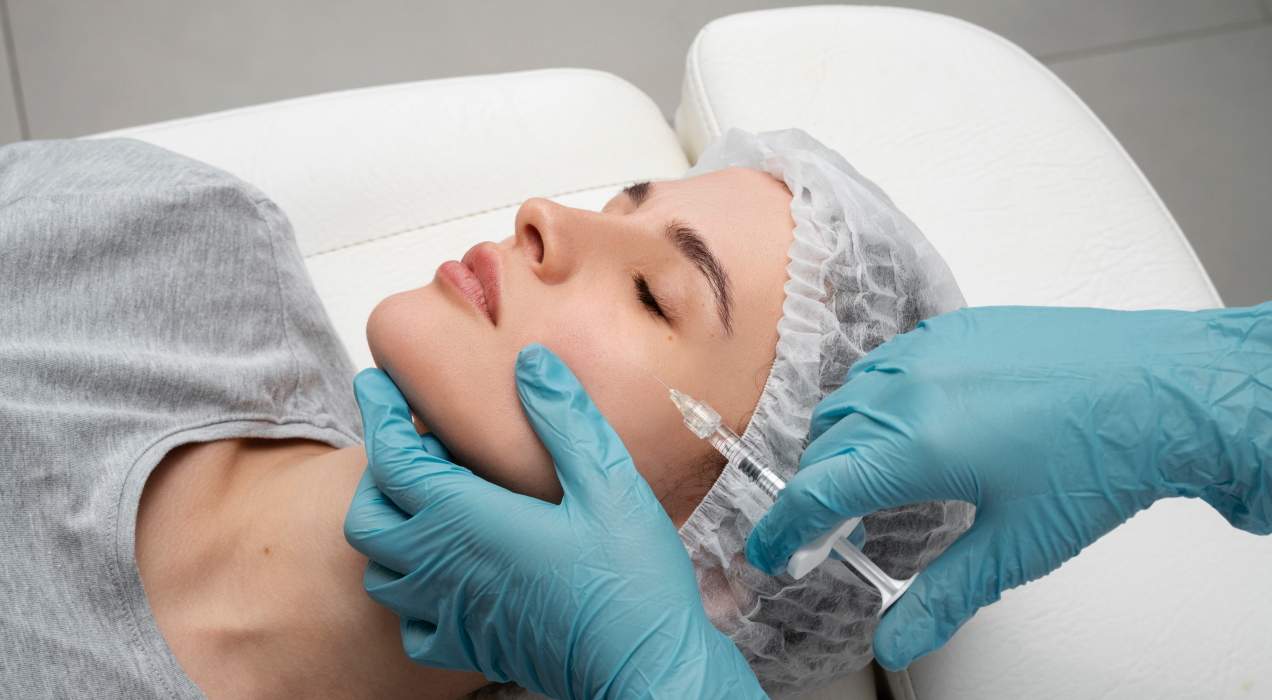
Dysport has emerged as one of the most effective and popular non-surgical treatments for reducing wrinkles and achieving a more youthful appearance. As a botulinum toxin type A injectable, Dysport offers similar benefits to Botox but with unique characteristics that make it an excellent choice for many patients seeking facial rejuvenation. Understanding how Dysport works, its benefits, and what to expect can help you make an informed decision about this transformative cosmetic treatment.
This comprehensive guide covers everything you need to know about Dysport treatment, from its mechanism of action to recovery and long-term results, helping you determine if this FDA-approved injectable is right for your aesthetic goals.
What is Dysport?
Dysport is an FDA-approved botulinum toxin type A injectable manufactured by Galderma. Like other botulinum toxin products, Dysport works by temporarily blocking nerve signals to targeted muscles, causing them to relax and reducing the appearance of dynamic wrinkles—those lines that form from repeated facial expressions.
First approved by the FDA in 2009 for cosmetic use, Dysport has been used safely and effectively worldwide for over two decades. The treatment is particularly renowned for its natural-looking results and ability to smooth wrinkles while preserving facial expression and movement.
How Dysport Works
- Muscle Relaxation: Dysport contains botulinum toxin type A, which temporarily blocks the release of acetylcholine, a neurotransmitter that signals muscles to contract.
- Wrinkle Reduction: When injected into specific facial muscles, Dysport prevents them from contracting fully, allowing overlying skin to smooth out and wrinkles to diminish.
- Temporary Effects: The effects are temporary because nerve endings eventually regenerate, typically lasting 3-4 months before retreatment is needed.
Areas Treated with Dysport
FDA-Approved Treatment Areas
- Glabellar Lines (Frown Lines): The vertical lines between the eyebrows that create an angry or worried appearance.
Off-Label Treatment Areas
While FDA-approved only for glabellar lines, Dysport is commonly used off-label for:
- Forehead Lines: Horizontal lines across the forehead from raising eyebrows.
- Crow’s Feet: Lines radiating from the outer corners of the eyes.
- Bunny Lines: Wrinkles on the sides of the nose from scrunching.
- Lip Lines: Vertical lines around the mouth from pursing lips.
- Neck Bands: Vertical bands in the neck area (platysmal bands).
- Masseter Muscles: For jaw slimming and TMJ-related tension.
Benefits of Dysport Treatment
Aesthetic Improvements
- Natural-Looking Results: Dysport provides smooth, natural-looking wrinkle reduction without the “frozen” appearance when administered properly.
- Quick Treatment: Most sessions take only 10-20 minutes, making it perfect for busy schedules.
- Minimal Downtime: Patients can typically return to normal activities immediately after treatment.
- Preventive Benefits: Regular treatments can prevent the formation of deeper, more permanent wrinkles.
Functional Benefits
- Reduced Muscle Tension: Can help alleviate tension headaches and jaw clenching when used in appropriate areas.
- Improved Confidence: Smoother skin often leads to increased self-confidence and satisfaction with appearance.
- Long-Term Skin Health: By reducing repetitive muscle contractions, Dysport may help preserve skin quality over time.
The Dysport Treatment Process
Initial Consultation
- Facial Assessment: Comprehensive evaluation of facial anatomy, muscle movement, and wrinkle patterns.
- Medical History Review: Discussion of medications, allergies, and previous cosmetic treatments.
- Goal Setting: Clear communication about desired outcomes and realistic expectations.
- Treatment Planning: Customized injection plan based on individual facial structure and concerns.
Pre-Treatment Preparation
- Medication Review: Avoiding blood-thinning medications and supplements when possible to reduce bruising risk.
- Skin Preparation: Arriving with clean skin, free of makeup and skincare products.
- Photography: Before photos for comparison and treatment planning.
During the Treatment
- Cleansing: Thorough cleaning of the treatment area with antiseptic solution.
- Marking: Strategic marking of injection points based on facial anatomy and muscle movement.
- Injection Process: Precise placement of Dysport using ultra-fine needles at predetermined points.
- Post-Injection Assessment: Immediate evaluation of injection sites and patient comfort.
- Aftercare Instructions: Detailed guidance for optimal results and safety.
What to Expect During Treatment
Comfort Level
- Minimal Discomfort: Most patients describe the sensation as similar to a small pinprick or bee sting.
- Topical Numbing: While rarely necessary, a topical anesthetic can be applied for sensitive patients.
- Quick Process: The actual injection process typically takes only 5-10 minutes.
Immediate Post-Treatment
- Mild Swelling: Small bumps at injection sites that typically resolve within 30 minutes.
- Possible Bruising: Minor bruising may occur but can be minimized with proper technique and aftercare.
- Normal Activities: Most patients can resume regular activities immediately.
Recovery and Aftercare
First 24 Hours
Activity Restrictions:
- Avoid lying down for 4 hours after treatment
- No strenuous exercise or activities that increase blood flow to the face
- Avoid rubbing or massaging treated areas
- Stay upright to prevent product migration
Skincare Modifications:
- Gentle cleansing only
- Avoid harsh skincare products or treatments
- No facial massages or manipulations
Days 2-7
- Result Development: Gradual onset of muscle relaxation and wrinkle smoothing.
- Normal Skincare: Gradual return to regular skincare routine.
- Sun Protection: Continue using broad-spectrum SPF as usual.
Long-Term Care
- Follow-Up Appointments: Scheduled 2-3 weeks post-treatment to assess results and make any necessary adjustments.
- Maintenance Planning: Discussion of future treatment schedules for optimal results.
Results Timeline and Duration
Onset of Results
- Initial Effects: Some patients notice subtle changes within 24-48 hours.
- Progressive Improvement: Full results typically develop over 7-14 days.
- Peak Effect: Maximum muscle relaxation and wrinkle reduction achieved by 2 weeks.
Duration of Results
Average Duration: Most patients enjoy results for 3-4 months.
Individual Variation: Factors affecting duration include:
- Metabolism and muscle strength
- Injection technique and dosage
- Lifestyle factors and sun exposure
- Previous treatment history
Maintenance Treatments
Optimal Timing: Most patients schedule follow-up treatments every 3-4 months.
Cumulative Benefits: Regular treatments may lead to longer-lasting results over time.
Preventive Approach: Consistent treatments can prevent the formation of deeper wrinkles.
Potential Side Effects and Risks
Common Side Effects
Injection Site Reactions:
- Temporary redness and swelling
- Minor bruising
- Mild tenderness
Temporary Effects:
- Slight headache (rare)
- Flu-like symptoms (very rare)
Who are The Ideal Candidates for Dysport?
- Age Range: Adults typically between 25-65 years old with dynamic wrinkles.
- Realistic Expectations: Understanding that results are temporary and natural-looking rather than dramatic.
- Good Health: Overall good health without contraindications to botulinum toxin.
- Commitment to Maintenance: Willingness to maintain results with regular treatments.
Who Should Avoid Dysport
- Pregnancy and Breastfeeding: Safety not established during pregnancy or nursing.
- Neuromuscular Disorders: Conditions like myasthenia gravis or Lambert-Eaton syndrome.
- Allergies: Known allergies to botulinum toxin or product components.
- Active Infections: Infections at proposed injection sites.
How to Choose the Right Provider for Dysport Treatment?
Look for the following things:
- Medical Training: Board-certified dermatologists, plastic surgeons, or trained medical professionals.
- Experience: Extensive experience with botulinum toxin injections and facial anatomy.
- Artistic Eye: Understanding of facial aesthetics and natural-looking results.
- Safety Protocols: Proper storage, handling, and injection techniques.
Questions to Ask
- How many Dysport treatments have you performed?
- Can you show me before/after photos of your work?
- What are the potential risks,, and how do you minimize them?
- What should I expect during recovery?
- How do you handle complications if they occur?
Conclusion: Achieving Natural-Looking Results with Dysport
Dysport offers an excellent solution for reducing dynamic wrinkles and achieving a more youthful, refreshed appearance without surgery or significant downtime. With its proven safety profile, natural-looking results, and relatively quick treatment process, Dysport has become a popular choice for both first-time patients and those experienced with cosmetic injectables.
The key to successful Dysport treatment lies in choosing an experienced, qualified provider who understands facial anatomy and can create natural-looking results that enhance your unique features while maintaining your ability to express emotions naturally.
FAQs
1. How long does Dysport last?
Dysport usually lasts about 3 to 4 months. Some people may notice results lasting a little longer, depending on their skin type, muscle strength, and how their body reacts. Regular treatments can help the results last longer over time.
2. What is the best age to start getting Dysport?
Most people start Dysport in their late 20s to early 30s, when fine lines first begin to appear. However, there’s no set “best age.” You can start whenever you begin to notice wrinkles that bother you — or even earlier to help prevent them.
3. Who is not a good candidate for Dysport?
You may not be a good candidate if you:
- Are pregnant or breastfeeding
- Have muscle or nerve disorders
- Have an infection or skin problem at the injection site
- Are allergic to botulinum toxin or any Dysport ingredients
Your provider will check your medical history to make sure it’s safe for you.
4. What is the age limit for Dysport?
There’s no strict age limit, but it’s generally recommended for adults 18 years and older. Many people use it well into their 60s or 70s, as long as they are healthy and their skin can still benefit from muscle relaxation.