
Chemical peels are professional skincare treatments that use acid solutions to remove damaged outer layers of skin. They reveal smoother, brighter, and more youthful skin underneath. But here’s the thing – not all peels work the same for everyone.
Your skin type determines which peel will give you the best results safely. Choose wrong, and you might face irritation, burns, or unwanted side effects. Choose right, and you’ll get that glowing complexion you’ve been dreaming of.
How Do You Identify Your Skin Type?
Before diving into any chemical peel, you need to know your skin type. This step is crucial for your safety and results.
- Normal Skin: Balanced oil production, few breakouts, and minimal sensitivity. You’re lucky – most peels work well for you.
- Oily Skin: Shiny appearance, enlarged and clogged pores, and frequent breakouts. You can handle stronger peels like glycolic acid.
- Dry Skin: Tight feeling, flaky patches, and fine lines. Gentle peels with hydrating ingredients work best.
- Sensitive Skin: Redness, burning, or stinging with new products. You need the mildest peels with careful monitoring.
- Combination Skin: Oily T-zone with dry cheeks. You might need different peels for different areas.
What Types of Chemical Peels Are Available?
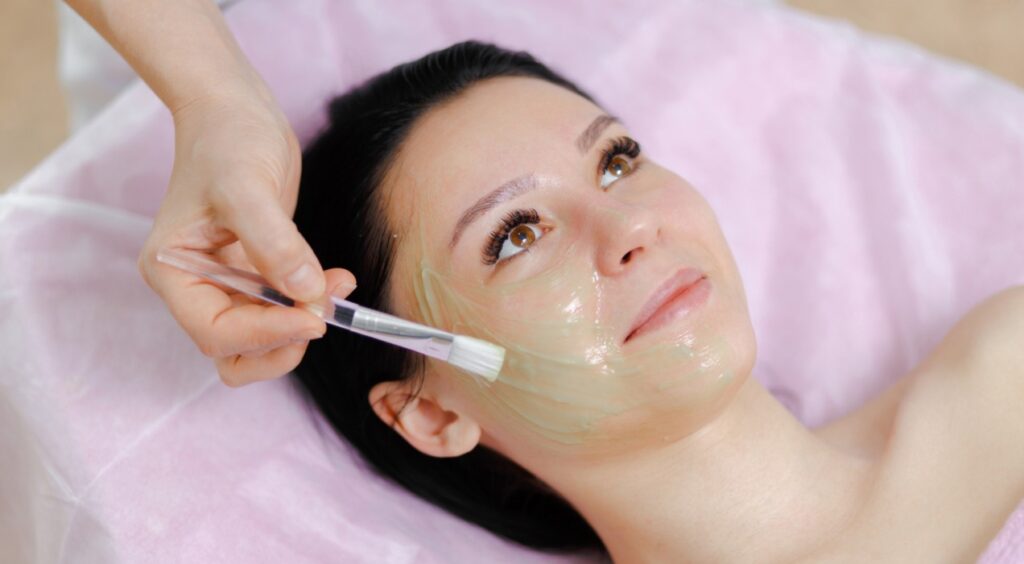
Understanding your options helps you make safer choices. Here are the main categories:
Light Peels (Superficial)
These are the gentlest options. They remove only the outermost layer of skin with minimal downtime.
- Glycolic Acid Peels are perfect for beginners. They come from sugar cane and work great for fine lines, sun spots, and dull skin. Most skin types can handle these well.
- Lactic Acid Peels are even gentler. They’re ideal for sensitive or dry skin because they’re less irritating than glycolic acid.
Medium Peels
These go deeper and require more recovery time. They’re more effective but also riskier.
- TCA (Trichloroacetic Acid) Peels can dramatically improve skin texture and reduce deeper wrinkles. However, they need professional application and careful aftercare.
Deep Peels
These are the strongest options. They require medical supervision and significant downtime. Most people don’t need this level of treatment.
Why Should You Choose Professional Treatment?
Here’s a fact that might surprise you: 67% of chemical peel complications happen with at-home treatments, according to dermatology research. Professional treatment is always safer.
At Radiance Aesthetic Medicine, experienced practitioners assess your skin type and choose the right chemical peel. They monitor your reaction and adjust treatment as needed.
Professional clinics like Radiance Aesthetic Medicine offer three main types:
- Glycolic Chemical Peels for gentle exfoliation
- TCA Chemical Peels for medium-depth treatment
- Obagi Blue Peels for comprehensive skin renewal
What Safety Precautions Should You Take?
Safety starts before you even book your appointment. Here’s what you need to know:
Before Your Peel
- Stop using retinoids one week before treatment. They make your skin more sensitive to acids.
- Avoid sun exposure for at least two weeks prior. Tanned or sunburned skin reacts unpredictably to chemical peels.
- Tell your practitioner everything about your skincare routine, medications, and skin history. Even seemingly minor details matter.
- Do a patch test if you have sensitive skin. This small test area shows how your skin will react.
During Treatment
- Communicate any discomfort immediately. Some stinging is normal, but severe burning isn’t.
- Don’t rush the process. Your practitioner knows the right timing for your skin type.
- After Your Peel
- Follow aftercare instructions exactly. Your skin is vulnerable and needs specific care.
- Use gentle, fragrance-free products only. Your regular skincare routine might be too harsh temporarily.
Apply sunscreen religiously. Your new skin is extremely sensitive to UV damage.
How Do You Know If a Peel Is Right for You?
Not everyone is a good candidate for chemical peels. You should avoid them if you:
- Are pregnant or breastfeeding
- Have active cold sores or infections
- Are taking certain medications like Accutane
- Have very dark skin (higher risk of pigmentation changes)
- Have unrealistic expectations about results
What Questions Should You Ask Your Provider?
A reputable clinic will welcome your questions. Here’s what to ask:
- What type of peel do you recommend for my skin type and concerns?
- How many treatments will I need to see results?
- What are the potential side effects and risks?
- What’s included in the aftercare process?
- Can I see before and after photos of similar skin types?
At Radiance Aesthetic Medicine, practitioners take time to answer these questions thoroughly. They believe informed patients get better results.
How Do You Maintain Results Safely?
Your peel results can last 6 months to 2 years with proper care. Here’s how to maintain them:
- Use high-quality skincare products that support skin health. Your practitioner can recommend the best options.
- Never skip sunscreen. UV exposure undoes peel benefits and can cause complications.
- Schedule maintenance treatments as recommended. Regular gentle peels maintain your results better than occasional strong ones.
- Stay hydrated and eat a healthy diet. Your skin reflects your overall health.
Why Choose Radiance Aesthetic Medicine for Your Chemical Peel?
Radiance Aesthetic Medicine combines over 20 years of expertise with advanced, non-invasive treatments. They offer personalized consultations to determine the safest, most effective peel for your unique skin type.
Their comprehensive approach includes:
- Thorough skin analysis before treatment
- Professional-grade peels (Glycolic, TCA, and Obagi Blue)
- Detailed aftercare instructions and support
- Follow-up appointments to monitor your progress
The clinic’s commitment to safety means you get beautiful results without unnecessary risks. They understand that every skin type is different and customize treatments accordingly.
Chemical peels can transform your skin when done safely and professionally. The key is choosing the right type for your skin and working with experienced practitioners.
Ready to discover which chemical peel is perfect for your skin type? Schedule a consultation at Radiance Aesthetic Medicine today. Their team will assess your skin, discuss your goals, and create a safe, effective treatment plan just for you.
Remember, beautiful skin is a journey, not a destination. With the right guidance and professional care, you can achieve the radiant, healthy complexion you deserve – safely and effectively.
Frequently Asked Questions
Can I do chemical peels at home safely?
While mild at-home peels exist, professional treatment is always safer. Practitioners can adjust strength and monitor their reaction in real-time.
How often can I get chemical peels?
This depends on the peel type and your skin’s response. Light peels can be done monthly, while medium peels need 3-6 month intervals.
What if I have a bad reaction?
Contact your practitioner immediately. They can provide specific treatment to minimize damage and speed healing.
Are chemical peels worth the cost?
When done safely by professionals, chemical peels provide excellent value. They’re less expensive than laser treatments with similar results.